Mortgages and loans in Spain

Buying a home in Spain usually means taking out a mortgage under Spanish law. This guide explains, in plain English, how Spanish mortgages work, what they cost, what protections you have and how to compare offers.
Key points
- Spanish banks usually lend up to 80% of the purchase price or valuation for a main home, whichever is lower, and less to non-residents.
- You need savings for the deposit plus purchase taxes and costs, which typically add around 10% or more to the price.
- Since the Mortgage Credit Law of 2019 (Ley 5/2019), the bank pays most of the costs of setting up the mortgage, and you must receive the offer documents at least 10 days before signing.
- Before signing, you have a free, mandatory meeting with the notary, who checks that you understand the contract.
Where to start
- Understand how a Spanish mortgage works.
- Check your options as a resident or non-resident foreigner.
- Estimate your payments with our mortgage calculator.
- Learn how to pay less and how to compare offers.
- Review the steps to buy a home and who pays each cost.
All guides
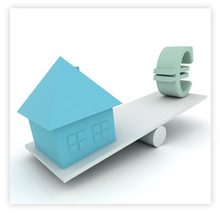 What is a mortgage?
 Buying a home
 Paying less
 First-time buyers
 With or without a guarantor
 Mortgages for foreigners
 Comparing mortgages
 Mortgage calculator
 Mortgage costs
 Refinancing
 Types of loans
Note: this guide summarises Spanish rules for general information and is not financial or legal advice. Conditions change and each bank sets its own criteria: check the official information from the Bank of Spain and ask an independent adviser or a lawyer before signing.
Frequently asked questions
How much do Spanish banks lend?
Usually up to 80% of the purchase price or valuation, whichever is lower, for a main home. Non-residents generally receive a lower percentage.
Who pays the costs of a mortgage in Spain?
Since 2019 the bank pays the notary, land registry and processing costs and the stamp duty on the mortgage deed; the borrower pays the valuation.
Updated: